
Castle Hill Car Servicing: Expert Tips to Keep Your Vehicle Running Smoothly
By Guy Tassel, Tassell Automotive
Maintaining your vehicle is essential for ensuring its longevity and optimal performance. Regular “car servicing” not only keeps your vehicle in top shape but also helps prevent significant repairs down the line. This article offers expert tips focused on the common practices in Castle Hill for keeping your car running smoothly. Ultimately, understanding your vehicle’s maintenance needs can mitigate issues related to reliability and safety on the road. We will explore topics including regular maintenance schedules, crucial checks, and how to address warning signs, ensuring your vehicle remains a dependable companion for years to come.
Regular Maintenance
Regular maintenance serves as the backbone of vehicle reliability, involving scheduled checks and services that keep your car in excellent condition. These routine check-ups are crucial, incorporating manufacturer recommendations, including the frequency of necessary oil changes and other vital services. By adhering to a regular maintenance schedule, drivers can identify potential issues early, significantly reducing the risk of unexpected breakdowns and “repair costs”.
Fluid Checks
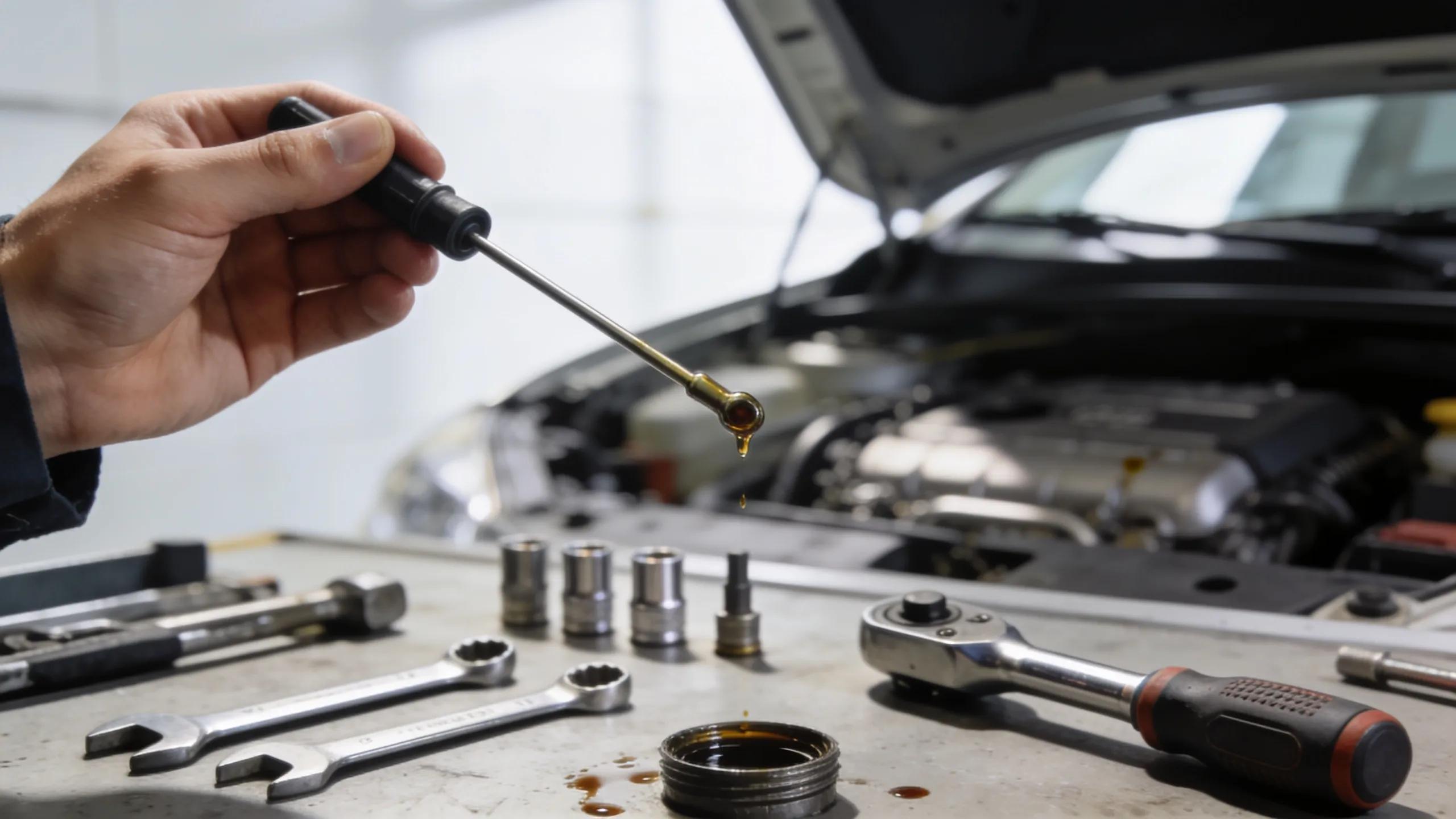
Fluid checks are a critical aspect of vehicle maintenance, encompassing various essential fluids that keep your car operating smoothly. Key fluids to monitor include engine oil, coolant, brake fluid, and transmission fluid. Regularly checking these fluids can help detect any leaks and keep systems running efficiently, ultimately prolonging the lifespan of your vehicle. It’s advisable to perform these checks monthly or before long trips.
Tire Maintenance
Ensuring your tires are in good condition is essential for both performance and safety. Regular tire maintenance includes checking tire pressure, rotating tires every 5,000 to 7,500 miles, and monitoring tread depth. Properly inflated tires enhance fuel efficiency and improve handling, while rotated tires promote even wear, extending their lifespan. Neglecting tire maintenance can not only affect performance but also lead to unsafe driving conditions.
Brake Inspections
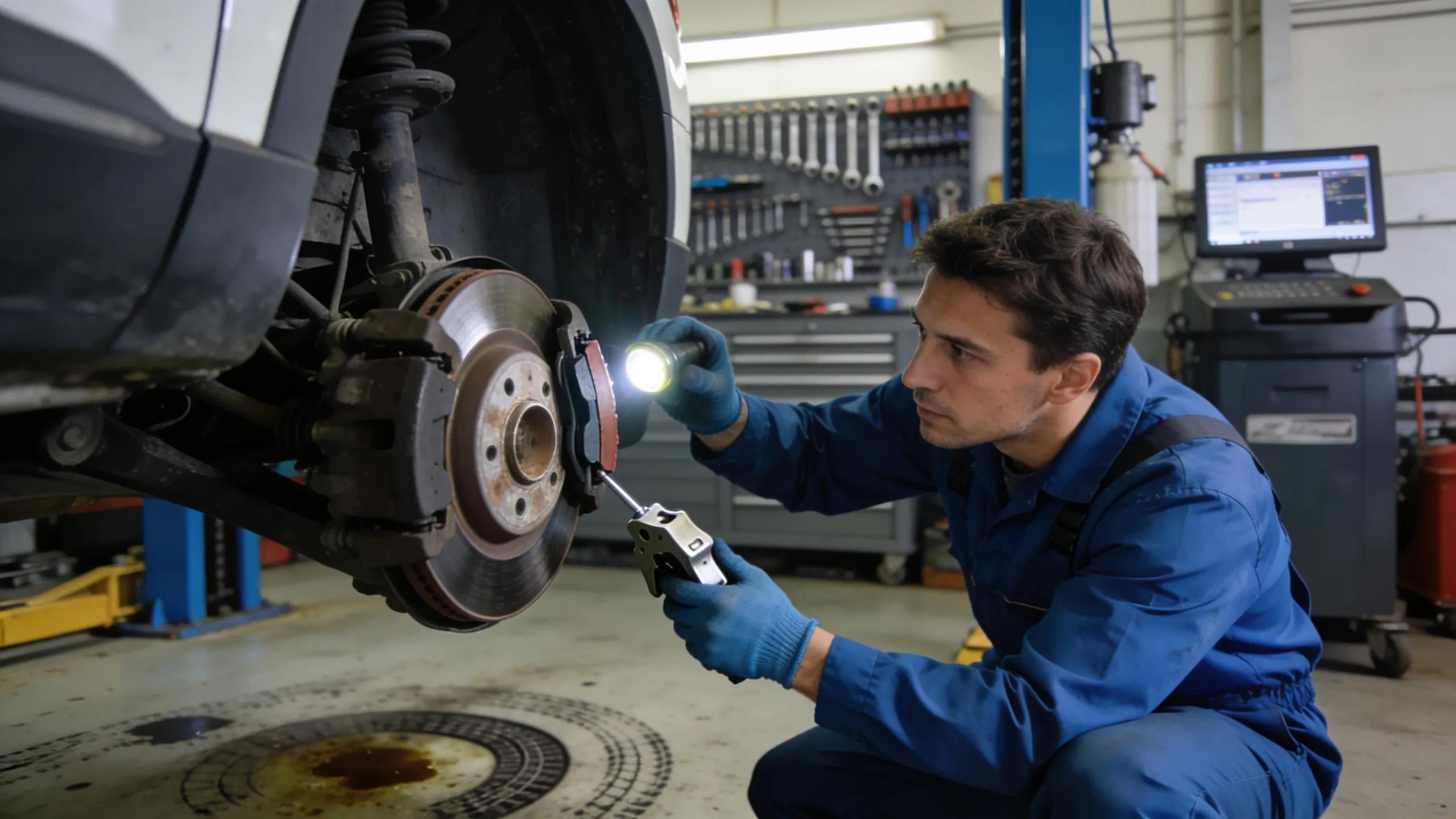
Routine brake inspections are integral to vehicle safety. These checks should include inspecting brake pads, testing brake responsiveness, and assessing for any unusual noises that may indicate wear. Awareness of the components that require attention, such as rotors and fluid levels, can help maintain the vehicle’s braking performance and ensure safe driving conditions. Addressing issues early can prevent “costly repairs” and accidents.
Battery Health
Maintaining your car battery is essential to prevent starting issues. Regular checks for corrosion on terminals and testing the battery charge can help ascertain your battery’s health. Be alert for signs of battery failure, such as dimming headlights or slow engine cranking. Most batteries typically last around three to five years, and planning timely replacements keeps your vehicle reliable.
Address Warning Signs
Acting on warning signs promptly can save you money and extend your vehicle’s lifespan. Keep an eye on dashboard warning lights, as they signal underlying problems that require immediate attention. Additionally, recognising other common signs, such as unusual noises or performance dips, leads to quicker diagnosis and repair, enhancing the vehicle’s reliability.
Scheduled Servicing
Following a structured servicing schedule creates a clear path for vehicle maintenance. Keeping accurate service records ensures that all necessary checks and balances are performed on time. Addressing minor issues early can save you from larger, more costly repairs in the future. Consistency with a trusted mechanic builds a reliable history that benefits your vehicle’s health.
How Often Should You Schedule Vehicle Maintenance in Castle Hill?
The frequency of vehicle maintenance can vary based on several factors, including driving habits, the type of vehicle, and manufacturer recommendations. Generally, it’s advisable to schedule routine maintenance every six months or every 5,000 to 7,500 miles, depending on oil change intervals. Keeping track of seasonal checks—especially before and after long trips—ensures your vehicle operates smoothly throughout the year.
Recommended Service Intervals
Different vehicle types have specific service intervals that are crucial to maintaining their reliability. For instance, commuter vehicles often require more frequent checks than occasional-use or performance vehicles. Knowing these intervals allows you to schedule maintenance effectively and make informed decisions about your vehicle care. This proactive approach not only helps in maintaining performance but also enhances the vehicle’s resale value.
Tips for Staying on Schedule
Staying on schedule with maintenance can be challenging, but implementing simple strategies can help. Maintaining a logbook of services performed or using digital reminders can keep you accountable. Regularly checking fluid levels and adhering to your servicing schedule ensures you do not overlook crucial maintenance aspects.
What Are the Recommended Service Intervals for Different Vehicle Types?
Service intervals vary significantly among vehicle types, with commuters requiring attention every 5,000 to 7,500 miles while performance and luxury vehicles may demand more customised servicing due to their specific engineering. Fleet vehicles also benefit from more stringent checks to ensure optimal operation. Understanding these differences allows drivers to prioritise and allocate resources effectively.
How Does Regular Servicing Prevent Costly Repairs?
Regular servicing plays a pivotal role in preventing costly repairs by enabling early detection of underlying problems. Identifying small issues before they evolve into significant repairs saves time and money, promoting better fuel efficiency and increasing your vehicle’s resale value. Moreover, consistent maintenance reinforces the reliability and performance of your vehicle over time.
What Does Comprehensive Car Servicing in Castle Hill Include?
Comprehensive car servicing typically encompasses various checks and replacements aimed at preserving vehicle condition. Important components include engine diagnostics, oil changes, fluid top-ups, tire rotations, and brake service. Thorough inspections ensure that standard measurements are met and that the vehicle operates in compliance with safety regulations.
Which Engine Diagnostics Are Essential for Vehicle Health?
Engine diagnostics are vital for understanding a vehicle’s operational status. Essential checks include monitoring the oxygen sensor and fuel injectors, assessing the throttle position sensor, and checking emission levels. Regular diagnostics help in identifying inefficiencies effectively, ensuring the vehicle remains compliant with environmental standards and functions optimally.
How Is Brake Service Conducted to Ensure Safety?
Brake service involves a structured process to maintain peak safety standards. It includes inspecting brake pads for wear, testing brake fluid levels, and ensuring hydraulic components function correctly. In cases where parts are worn, timely replacement is crucial to prevent brake failure. A well-serviced brake system assures safe stopping power, enhancing overall vehicle safety.
How to Choose the Right Auto Repair Shop in Castle Hill?
Choosing the right auto repair shop is crucial for maintaining your vehicle effectively. Look for a reputable mechanic who meets certain criteria, including certified technician qualifications, good customer reviews, and transparency in pricing and services offered. Engaging with a trustworthy mechanic fosters confidence and ensures that your vehicle receives quality care.
What Credentials and Services Should a Trustworthy Mechanic Offer?
A trustworthy mechanic should possess relevant certifications, such as ASE (Automotive Service Excellence) and offer a comprehensive range of services, including diagnostics, hydraulic repairs, engine rebuilding, and tire services. Ensuring transparency about the services provided and costs outlines a commitment to integrity and customer care.
Where Can You Find Reliable Reviews and Pricing Information?
Locating reliable reviews is essential to selecting a dependable auto shop. Utilize online platforms such as review websites, local business directories, and social media groups dedicated to automotive discussions to gather impressions from past customers. Additionally, seeking recommendations from friends and family can provide trustworthy insights to guide your choice.
What Are the Key Benefits of Vehicle Inspection and Safety Checks in Castle Hill?
Regular inspections and safety checks confer numerous benefits, including enhanced overall safety, the identification of potential issues, and lower operating costs. By investing time and resources in routine inspections, drivers can improve their peace of mind while on the road and increase their vehicle’s operational longevity in a competitive environment.
Professional oversight through consistent safety checks ensures that mechanical integrity is maintained, directly impacting your security behind the wheel.
The Importance of Regular Vehicle Inspections for Road Safety Mechanical conditions of vehicles may play a determinant role in driving safety, the reason why vehicle periodical technical inspections (VTIs) are mandatory in many countries. Compliance, practices, and attitudes towards VTIs (Vehicle Technical Inspections) in Spain: What prevents Spanish drivers from checking up their cars?, F Alonso, 2021
How Do Routine Safety Checks Extend Your Vehicle’s Lifespan?
Routine safety checks help detect signs of wear on key components, ensuring that critical systems remain functional. Properly adhering to maintenance schedules fosters better performance, enhancing lifespans by safeguarding engines and other crucial parts from deterioration. By investing in regular inspections, you can extend your investment’s duration on the road.
What Should You Expect During a Castle Hill Vehicle Inspection?
A typical vehicle inspection in Castle Hill includes a thorough check-in process and various examination steps to ensure compliance with safety regulations. Common checks performed entail evaluating the vehicle’s brakes, suspension, emissions system, and overall safety features. Understanding what to expect helps in preparing for the inspection and navigating through future maintenance needs.