
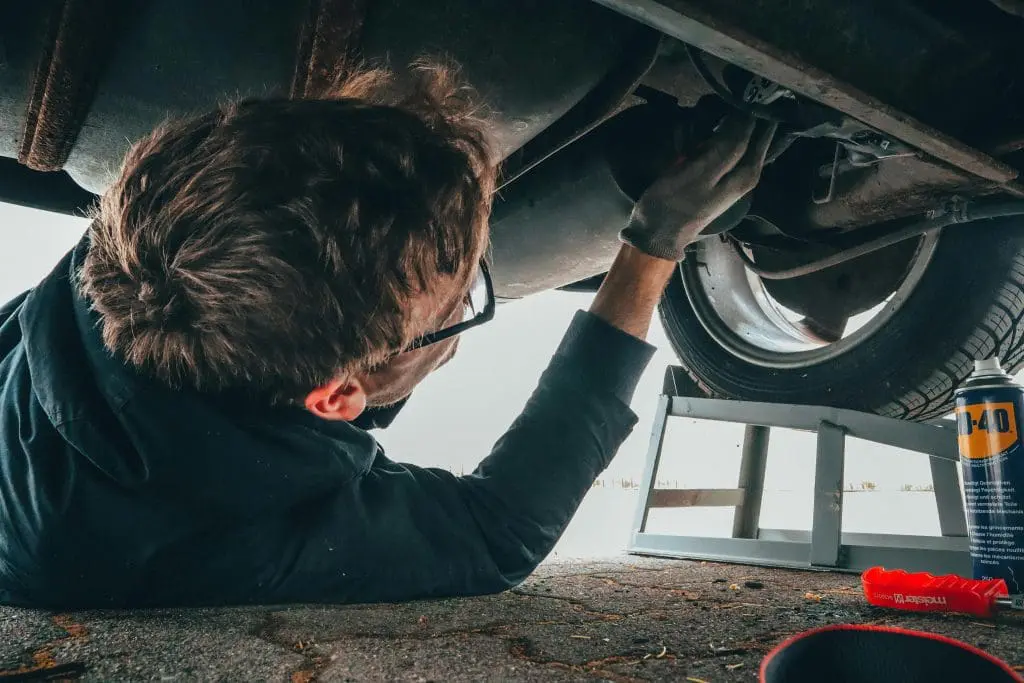
Worn shocks and bushings can significantly compromise vehicle safety and handling, leading to a range of performance issues. Understanding how these components function and the signs of their deterioration is crucial for maintaining a safe driving experience. This guide explores the impact of worn shocks and bushings on vehicle safety, the common signs to look for, and the importance of timely suspension repairs. We will also explain the suspension repair process in Dural and how regular maintenance can benefit fleet vehicles in the Hills District.
Indeed, the suspension system is widely recognised as a paramount component for ensuring a vehicle’s driving performance, passenger comfort, and overall road safety. It acts as the critical interface between the vehicle and the road, absorbing shocks from uneven surfaces and maintaining tyre contact with the ground. This not only enhances ride comfort but also ensures precise handling and braking efficiency, which are vital for safe driving conditions.
What Are the Common Signs of Worn Shock Absorbers and Bushings?
Identifying the symptoms of worn shock absorbers and bushings is essential for ensuring vehicle safety. These components play a critical role in maintaining stability and comfort while driving. Common signs of wear include excessive bouncing, uneven tyre wear, fluid leaks, and a noticeable decrease in ride quality. Early detection of these symptoms can prevent further damage and enhance overall vehicle performance. Recognising these signs promptly allows drivers to seek professional repairs before the issues escalate, potentially saving on costly repairs and avoiding hazardous driving conditions.
How to Identify Shock Absorber Wear Symptoms in Your Car
Shock absorber wear can manifest in several ways. Drivers may notice:
- Excessive Bouncing: If the vehicle continues to bounce after hitting a bump, it indicates that the shocks are no longer effectively dampening the movement. This can make the ride uncomfortable and reduce control over the vehicle.
- Fluid Leaks: Visible oil or fluid around the shock absorbers suggests they are leaking and need replacement. Leaking shocks lose their ability to absorb impacts properly, compromising safety.
- Unusual Noises: Clunking or knocking sounds when driving over bumps can signal worn shocks. These noises often indicate internal damage or loose components within the shock absorber.
- Uneven Tyre Wear: Tyres may wear unevenly due to poor shock absorption, affecting tyre contact with the road. This not only shortens tyre life but also affects vehicle stability.
Recognising these symptoms early can help prevent more severe issues and ensure a safer driving experience. Regular checks and prompt repairs can restore the shock absorbers’ functionality, improving both comfort and safety.
Recognising Bushing Wear and Its Effects on Suspension Performance
Bushing wear can lead to several performance issues that affect vehicle handling. Key indicators include:
- Vibration: Increased vibrations felt through the steering wheel can indicate worn bushings, affecting ride comfort. This vibration is often more noticeable at higher speeds or on rough roads.
- Steering Instability: Difficulty in steering or a loose feeling in the steering wheel may suggest that the bushings are failing. This can make the vehicle feel less responsive and harder to control.
- Uneven Tyre Wear: Worn bushings can cause misalignment, leading to uneven tyre wear and reduced traction. This misalignment can also increase fuel consumption and accelerate suspension wear.
Addressing these signs promptly can help maintain optimal suspension performance and vehicle safety. Replacing worn bushings restores proper alignment and reduces vibrations, contributing to a smoother and safer ride.
How Do Worn Shocks and Bushings Affect Vehicle Safety and Handling?
Worn shocks and bushings can significantly impact vehicle safety and handling. Understanding these effects is crucial for drivers who prioritise safety on the road. Both components work together to ensure the vehicle responds predictably to driver inputs and road conditions, so their deterioration can lead to compromised control and increased accident risk.
What Safety Risks Are Associated with Faulty Shock Absorbers?
Faulty shock absorbers pose several safety risks, including:
- Increased Stopping Distance: Worn shocks can lead to longer stopping distances, increasing the risk of accidents. This happens because the tyres may lose contact with the road during braking, reducing grip.
- Loss of Control: A vehicle with ineffective shocks may sway or tip during turns, making it harder to control. This instability can be particularly dangerous in emergency manoeuvres or adverse weather conditions.
- Potential for Accidents: The combination of reduced stability and longer stopping distances can lead to dangerous driving conditions. Drivers may find it difficult to maintain lane position or avoid obstacles.
Regular inspection and maintenance of shock absorbers are vital for ensuring safe driving conditions. Timely replacement of worn shocks helps maintain vehicle stability, control, and braking performance, all of which are critical for accident prevention.
How Does Bushing Degradation Lead to Handling Instability?
Bushing degradation can lead to handling instability in several ways:
- Effects on Steering Response: Worn bushings can cause delayed or unresponsive steering, making it difficult to navigate turns safely. This can increase driver fatigue and reduce confidence behind the wheel.
- Vibration Issues: As bushings wear, they may not absorb vibrations effectively, leading to a rougher ride and decreased comfort. Persistent vibrations can also cause additional wear on other suspension components.
- Long-term Vehicle Damage: Ignoring bushing wear can result in more extensive damage to suspension components, leading to costly repairs. This includes damage to control arms, sway bars, and even the chassis.
Understanding these risks highlights the importance of regular suspension maintenance. Proactive replacement of bushings ensures consistent handling performance and prolongs the lifespan of the vehicle’s suspension system.
What Does the Suspension Repair Process in Dural Involve?
The suspension repair process is essential for restoring vehicle safety and performance. It typically involves diagnosing the issue, replacing worn components, and ensuring proper alignment. Skilled technicians in Dural use specialised equipment to accurately assess suspension health and perform repairs that meet manufacturer specifications, ensuring the vehicle returns to optimal condition.
How Are Shock Absorbers Diagnosed and Replaced?
Diagnosing and replacing shock absorbers involves several steps:
- Visual Inspection: Technicians will inspect the shocks for signs of wear, such as leaks or physical damage. This initial check helps identify obvious faults that require immediate attention.
- Testing: A bounce test may be performed to assess the shock’s effectiveness. This involves pushing down on the vehicle’s corners and observing the rebound behaviour to detect inadequate damping.
- Replacement: If worn, the shocks will be replaced with new units designed to meet safety and performance standards. Technicians ensure the correct parts are used and installed according to manufacturer guidelines.
This process is crucial for maintaining vehicle stability and safety. Properly functioning shock absorbers improve ride comfort, handling, and braking efficiency.
What Are the Steps for Bushing Repair and Replacement?
Bushing repair and replacement typically follow these steps:
- Assessment: Technicians will evaluate the condition of the bushings and surrounding components. This includes checking for cracks, deformation, and excessive movement.
- Removal: Worn bushings are removed, often requiring specialised tools for proper extraction. This step must be done carefully to avoid damaging adjacent parts.
- Installation: New bushings are installed, ensuring they are properly lubricated and aligned for optimal performance. Correct installation is vital to restore suspension geometry and function.
This meticulous process helps restore the vehicle’s handling and performance. After replacement, a wheel alignment is usually performed to ensure the suspension operates correctly, and tyres wear evenly.
How Can Fleet Vehicles Benefit from Regular Suspension Maintenance in the Hills District?
Regular suspension maintenance is particularly beneficial for fleet vehicles, ensuring safety and compliance with regulations. Fleets often experience higher mileage and varied driving conditions, making suspension upkeep critical to operational efficiency and driver safety.
Why Is Suspension Care Critical for Fleet Vehicle Safety Compliance?
Maintaining suspension systems in fleet vehicles is essential for:
- Regulatory Requirements: Many jurisdictions require regular vehicle inspections that include suspension system checks to ensure safety. Compliance helps avoid fines and legal issues.
- Impact on Fleet Operations: Well-maintained vehicles are less likely to experience breakdowns, reducing downtime and operational costs. Reliable suspension systems contribute to consistent vehicle performance and driver satisfaction.
- Consequences of Neglect: Ignoring suspension maintenance can lead to accidents, legal liabilities, and increased insurance costs. It can also damage the fleet’s reputation and lead to costly repairs.
Regular maintenance helps fleet operators avoid these risks and maintain compliance. Proactive suspension care supports safer roads and more efficient fleet management.
What Are the Advantages of Local Suspension Services in Dural?
Choosing local suspension services offers several advantages:
- Local Expertise: Local technicians understand the specific needs of vehicles in the area, providing tailored services. They are familiar with local road conditions and common vehicle issues.
- Quick Turnaround: Proximity allows for faster service, minimising vehicle downtime. This is especially important for fleets that rely on vehicle availability.
- Community Trust: Local businesses often build strong relationships with their customers, fostering trust and reliability. This can lead to personalised service and better customer support.
Utilising local services can enhance the overall maintenance experience for fleet operators. It ensures that vehicles receive timely, high-quality care that supports long-term performance and safety.